


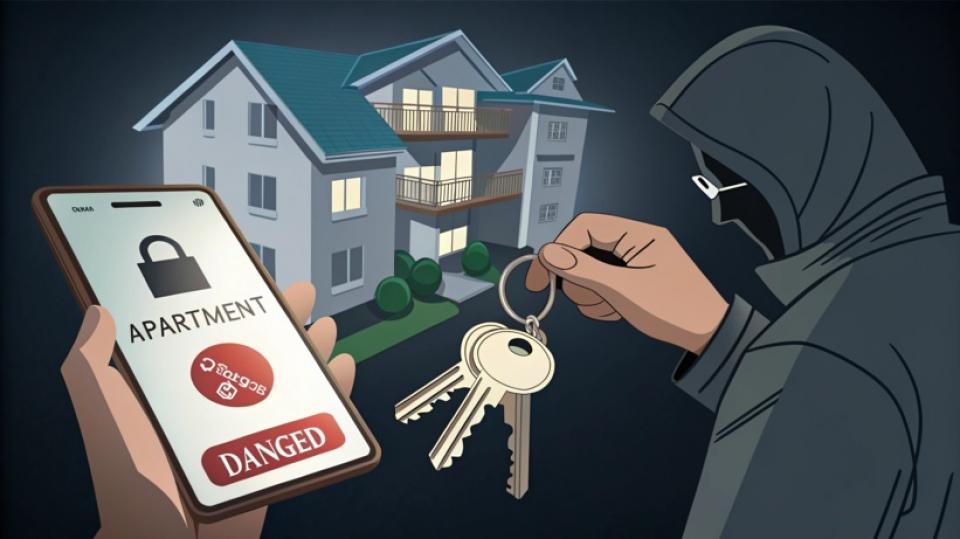
In recent years, there has been a steady trend towards an increase in the number of fraudulent activities and the emergence of new deception schemes. On a daily basis, information resources publish information about cases of illegal actions against individuals and legal entities. All market participants are at risk, including investors, developers, real estate agencies and their clients. As part of the analysis, the most common fraud schemes were identified, as well as recommendations for minimizing risks were formulated.
The "Imitation Of Investor Interest" Scheme
One of the most common fraudulent schemes is the simulation of interest in acquiring an object. As part of this scheme, an attacker initiates contact with a company or a private seller, positioning himself as a wealthy and interested investor. During the correspondence, the person demonstrates high engagement, agrees with the proposed terms and seeks to proceed to telephone conversations.
The critical stage is the moment of transition to direct negotiations: the fraudster refers to technical limitations and insists on using a strictly defined communication platform (for example, Zoom), providing the appropriate link for the transition.
The scheme can be implemented in two ways:
- The user is redirected to a site that is visually identical to the legitimate platform, where it is required to go through the registration procedure and enter personal data. In this case, the call is not made, and the information provided gets to the attackers.;
- Clicking on a phishing link automatically leads to the compromise of user data.
Indicators of a fraudulent scheme in the early stages of interaction are the following signs:
- the persistent desire to communicate exclusively within the framework of one platform;
- avoiding providing contact information (in particular, phone numbers);
- categorical insistence on using a specific service to make a call when referring to "technical difficulties" when switching to other communication channels.
The "Request For Financial Assistance From A Wealthy Buyer" Scheme
A separate type of fraudulent activity is a scheme involving a "buyer" requesting financial support. The person positions himself as a wealthy investor interested in acquiring an object, actively participates in the discussion of the terms of the transaction and gets in touch through calls. At the same time, the entity regularly focuses on its solvency and seriousness of intentions.
At a certain stage of the interaction, the attacker declares temporary difficulties and asks for assistance by making a minor money transfer, promising to close the transaction immediately after that. After receiving the funds, contact with the "buyer" is terminated.
It should be borne in mind that legitimate buyers, especially those with significant financial resources, do not apply to counterparties with requests for depositing funds. Any such requests should be considered as a likely sign of fraudulent activity.
Using Fake Documents
The problem of falsification of documents confirming the right to sell a real estate object deserves special attention. This scheme is widespread both in the CIS and in other markets. Unscrupulous sellers, and in some cases, real estate agencies, provide fake documents on the basis of which the transaction is executed. The buyer, having no reason to doubt the legitimacy of the documents, makes the payment and believes that he has acquired ownership.
The fact of forgery may remain undetected for an extended period of time: the object may be used for living or renting. Fraud is detected during subsequent inspections, after which the transaction may be declared invalid. As a result, the buyer loses both the money paid and the right to use the object. Court proceedings in such situations are characterized by considerable duration and high costs for the injured party. Even if a decision is made to refund the funds, the transaction is subject to cancellation.
Transactions are particularly difficult in jurisdictions where there is an institution of primary right of purchase or a complex inheritance system is provided. In the first case, it is mandatory to notify the persons with the primary right (neighbors, individual social groups), and to have documentary evidence of the absence of their claims to the object. In the second case, the risks are associated with the presence of heirs who were not properly notified, did not register their rights or did not provide an official waiver of inheritance. The absence or falsification of documents confirming compliance with these procedures creates grounds for challenging the transaction and entails significant financial losses for the buyer.
In order to minimize these risks, it is recommended to involve qualified lawyers and ensure that the authenticity and completeness of the set of documents are notarized. Despite the increased time and cost of completing the transaction, these measures are an essential factor in ensuring the legal security of the acquirer.
Real estate transactions are classified as legally and financially complex transactions involving significant risks. The costs of legal expertise and additional checks should not be considered excessive, but as an investment in reducing the likelihood of major financial losses.